
APPLIANCES · 6 min read
Built-in Oven, Hob and Cooker Hood: How to Choose a Matching Set
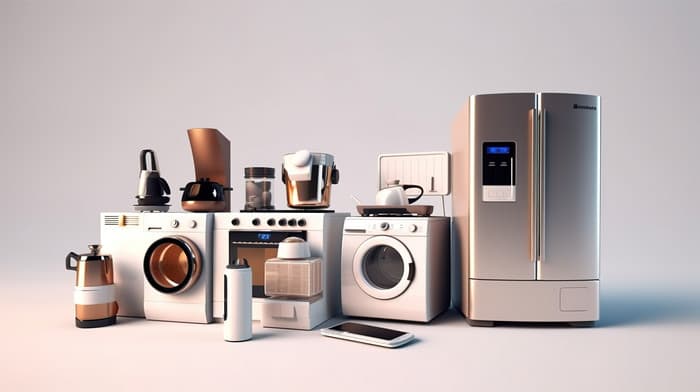
The oven, hob and hood work as one system, and in a fitted kitchen they also decide the size of the cabinet openings. Choosing them together — before the cabinets are made — avoids gaps, mismatched widths and a hood that cannot keep up with the hob.
Hob: gas, ceramic or induction
Gas hobs suit high-heat cooking and work with LPG cylinders, which many Omani homes use. Induction is the fastest and most efficient, stays cool around the pan and is easy to clean, but needs a dedicated electrical supply and magnetic cookware. Ceramic (radiant) hobs are a lower-cost electric option.
- 60 cm: 4 burners or zones, standard for most kitchens
- 70–90 cm: 5 burners, a wok burner or a flexible induction zone for larger families
Built-in oven
A standard built-in oven fits a 60 cm wide opening, either under the hob or at eye level in a tall unit. Multifunction ovens with fan cooking bake evenly on several shelves; pyrolytic or hydrolytic cleaning saves scrubbing. Compact 45 cm ovens and microwave combinations can sit above the main oven in a tall unit.
Cooker hood
The hood should be at least as wide as the hob. Ducted hoods vent outside and remove heat and smell best — plan the duct route before the ceiling goes in. Recirculating hoods filter and return air, need carbon filters replaced, and suit apartments where ducting is not possible.
- Chimney / wall-mounted: the most common over a hob on a wall
- Island: hangs from the ceiling over an island hob
- Built-in / telescopic: hidden inside a wall cabinet
Power, gas and cut-outs
Every built-in appliance lists its cut-out size and power rating in the specifications. Give these to your cabinet maker, put the oven and induction hob on correctly rated dedicated circuits, and have gas connections done by a qualified installer. Product pages on BaytCart list the specifications, so check them before you order.